Showing posts with label basil. Show all posts

Tuesday

The Green Stuff


When we think of our garden, the color that comes to mind is green
And certainly a green lush garden plot means our vegetables are thriving. 
The starts give us hearty leaves that lead to colorful blossoms 
which then evolve into the vegetable treasure.
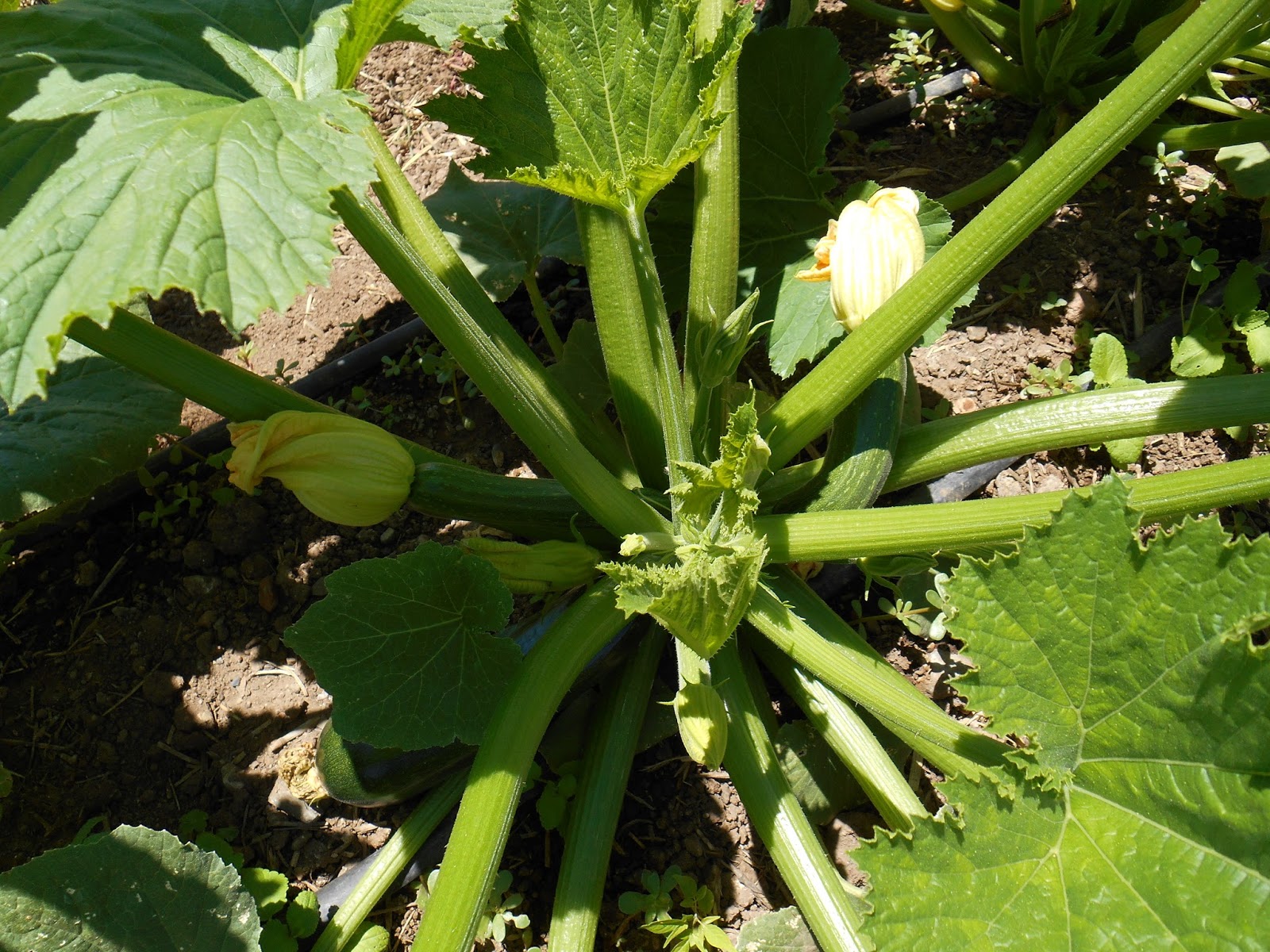
you can see the green zucchini blossoming from the yellow flower
first of our tomatoes at the farm
Even our fruits, which ripen into luscious yellows and purples 
start out as leafy green trees. 
apricots in the Orchard
But then there is "the green stuff," the greens and herbs that 
reach perfection at that stage in the plants' growth 
rather than ripening or maturing beyond the leaves. 

The chefs at the girl & the fig rely on our 
herb greens to transform their dishes into the memorable meals 
we hope will keep you talking about your experience at "the fig." 
Besides the arugula which is the basis of our signature "fig salad," 
there are other herbal greens we grow at the farm.
fig salad photo by Steven Krause for
Plats du Jour: the girl & the fig's Journey Through the Seasons in Wine Country
We love our chives: Chives have been cultivated in Europe 
since the Middle Ages, although their usage dates back 5000 years. 
They were sometimes referred to as "rush leeks." 
The Romans believed eating chives could increase blood pressure 
and act as a diuretic, as well as relieve the pain from sunburn or a sore throat. 

Although we know they have good properties, 
we mostly celebrate how good they make things taste!
chives at the farm behind "the fig"
and chives at Imagery farm
Chives are in the onion family. 
What we eat is not the bulb, though, but instead the "scapes." 
They have a milder onion flavor, with a hint of garlic, 
and make a delicious addition to salads and vegetable dishes, 
as well as a topping for fish and chicken.
They are very easy to grow, and when they bloom
chives make a lovely flower for the garden.
In fact, many gardeners grow them as much for the flower as they do for the herb.
(the bees like them too!)


Here's a great primer on chives and check out 

Other herbs at the farm include two other stalwarts 
needed by every chef: Italian parsley and basil 

Flat leaf or Italian Parsley growing at the farm
And did you know you can use the stems too? 
Since they are sharper in flavor and less delicate than the leaves, 
they really hold up in long cooked stews, stocks, braised dishes.

If you don't have your version of a backyard "farm," 
you can plant herbs in pots and on window sills. 
If you are short on space, herbs can easily be planted in containers. 
 Here's a basic how-to for herbs in a container:


And if you have a bit more room in your garden, container planting can be expanded 
but is still a great way to go for growing herbs.
What herbs are you growing and where?
Any tips on how to grow them or how you use them?

Monday

Seasonal Overlap

vegetable bed in the Orchard
the Insectary in full bloom
As of September 22 Autumn begins.  
We are really feeling the change of season at the farm. 
The light is different, days are shorter and mornings are cooler.
 We are in that moment of seasonal overlap when our basil and tomatoes 
are still going crazy alongside the squash beds. 


A very busy time for all of us who work the farm, 
including the bees who make frequent visits to our crops 
from the nearby Insectary created by the Benziger family
 as part of their biodynamic concept for Imagery Estate Winery

see the bee upper left above the blossoms as he zooms in
landing on the top sunchoke blossom
moving to the one to the right of the top one
and a closer look at our Busy Bee at work! 
Sunchokes are also called Jerusalem artichokes, 
although that is a bit of a misnomer. 
They are not related to an artichoke, although their taste can remind you of one. 
And, no they are not from Jerusalemone theory 
is that "the name is probably derived from the Italian name 
for a sunflower, girasole, which means turning to the sun." 
Do you know they can grow to be 10 feet tall?


harvested sunchokes 
Executive Chef John Toulze has gotten very creative with sunchokes. 
Besides creating sunchoke chips, which we are lovin' more than potato chips,
they were center stage during the girl & the fig dinner 
at the James Beard House this spring roasted 
and served alongside pan roasted black cod.

photo by Phil Gross for the James Beard House
Dish from Plats du Jour: the girl & the fig's Journey Through the Seasons in Wine Country.

Creativity and flexibility is the key for John and the other chefs 
as they harvest the fruits of summer and the early bounty of Fall. 
In a recent interview with The Huffington Post, John said: 
"Nature does not always work in accordance with a chef's schedule. 
You can't predict much," he says. "Normally, rhubarb means 
spring, strawberry is spring and summer, delicata squash is fall. 
There was point last year I was harvesting all those in the same time."

This flexibility about what seasonality really means 
is why you can still find the popular heirloom tomato & watermelon salad 
on the menu at the girl & the fig on the first day of Autumn. 


What Summer farm inspired dish will you soon miss most?
And what Fall delicacy are you looking forward to making?


Wednesday

Lush herbs and ripening "fruit"


The basil at the farm is so lush and prolific, you almost want 
to dive in and bury your face in it. 
Besides the beautiful leaves, the scent is certainly intoxicating enough to do that. 
Happy times at the restaurant as this and the other herbs 
from the farm begin to proliferate. 
Our chefs rely on fresh herbs so much that in addition to 
what we grow at the farm, we of course have planted herbs at all the restaurants,
 including our new culinary event space, Suite D

basil in herb beds at Suite D
It is so great in summer to go outside and pick fresh herbs 
or easily get them at the farmer's markets. 
We wait all year for this time and then we want to "bottle it," 
so we can have that experience year round. 
There are a lot of great tips for freezing fresh herbs so you have them 
later to enliven your cooking. 
And making herb-infused oils is another idea we recommend. 
There are tips on creating herb-infused oil in Sondra's book, 
or here's a recipe courtesy of Once Upon a Plate


The ratio of olive oil to flavoring ingredient is one cup of oil to two cups of tightly packed soft leaved green herb. Since herb infused oil should be used within a week, don't make too much— maybe use 1/2 cup of oil and one cup of herbs.

Fill a large bowl with ice water, set aside.

Bring a large saucepan of water to a boil. Add the herbs, blanch for 5 seconds (make sure the leaves are submerged.) Drain into a strainer and immediately plunge the herbs into the bowl of ice water until cold. Drain the herbs well and squeeze out all liquid.
Puree in a blender with olive oil (blender works better than a food processor here.) Strain puree immediately through a fine-mesh strainer. Strain again through three or four layers of cheesecloth (rinsed in clear water and squeezed dry before straining the herbs.) Put the oil in a sterilized glass bottle, cover tightly and refrigerate. For best flavor, use within one week
This technique can be used for making infused oil whether the ingredient is basil, rosemary, oregano, garlic, chiles, chervil, chives, cilantro, mint, mushrooms or citrus fruit. 
And an important tip: It is imperative that no fresh herbs (or any other flavoring ingredient you are using) are added back into the oil before bottling because this could introduce the risk of the food borne illness, botulism.

Now that we are seeing the tomatoes starting to tease us at the farm, 
it will soon be challenging to think about doing anything with the basil 
other than tossing it with these heirlooms once they are ready, 
but we still have a little time until we are in "tomato heaven..."

heirloom tomatoes at the farm
tomato starts at the greenhouse in April
tomatoes at planting party in May

So while you wait for the tomatoes to ripen, go ahead and 
try making some herb oil this summer with herbs from your garden.
And then, in a few weeks you can drizzle the luscious oil 
over the tomatoes and basil!

Also, soon to appear on our restaurant menus is eggplant. 
We are growing several at the farm including 
Listada de Gandia, Rosa Bianca, Black Beauty and Aswad
photo by Steven Krause
first of the Black Beauty eggplants at the farm
Aswad is the Arabic word for eggplant. 
We are especially excited about planting this one.
Available from Iraq, this season is the first time 
these are available in the United States
A very heat tolerant fruit, we expect this eggplant variety to fare very well in Sonoma 
(like tomatoes, an eggplant is really a fruitin fact many vegetables 
are considered fruitscheck this out).
Aswads are dark and satiny, almost black and can weigh up to 3 pounds! 
They are perfect for grilling or baking. We wonder what the chefs will do with them?

 This Aswad eggplant will soon be over 3 lbs!
Aswad eggplants growing behind ESTATE
And, talking about proliferationin last week's post, we talked about 
preparing for Fall with our planting of winter squash in the lower beds. 
Beginning of Autumn plants side by side with our Summer bounty. 
Well, the chefs may be incorporating those squash into menus sooner than we thought: 
Look how much growth occurred in just a week!


Check back at this blog to see what is growing next week 
and what the chefs have created with the gems 
they found at the farm this week.


Tuesday

More than one season at the farm


At the farm, we experience more than one season at a time. 
We are certainly well past spring and into summer now
as the plantings we put in the ground 
at our May "planting party" are now taking off. 
The chefs are having fun with all the padron peppers, which are in full swing. 

first plant in the ground (a padron) 
padron plant now 
Padron peppers are one of many chile peppers. 
Check out an interesting article in the current issue of Whole Living Magazine 
(including a "Pain O Meter" to help measure chile's heat) that details a lot about 
what a key ingredient chiles are for so many cultures: 
"Consumed in larger quantities by more people around the globe than any other spice, 
it's the underpinning of virtually every cuisine. 
Where would salsa, kimchi, and curry be without it? 
But because of the chile's signature bite, it's all too easy to forget 
its other qualities -- above all, flavor. 
Each chile contains a unique blend of notes ranging from 
nut to molasses, tobacco to licorice, citrus to stone fruit. 
And then there are its not insignificant health benefits. 
The heat in chiles dilates blood vessels, stimulating circulation and perspiration 
and speeding along digestion; when applied topically,
it's been known to relieve everything from headaches to psoriasis to shingles. 
Talk about a Renaissance fruit."


It definitely feels like summer in the upper quadrants at the farm 
with thriving basil, eggplant, summer squash including zucchini, lemon 
and white scallop varieties, merlin beets and sunchokes 
along with the padron peppers in just one section. 
And right next to all this, tarragon, asparagus, swiss chard, kale, fennel, carrots, 
lemon verbena and a few of the 350 tomato plants are growing.

summer squash, padrons and eggplants

sunchoke plants are almost 5' tall already. They can grow to 8 feet


first of the heirloom tomatoes appearing
But since our farm is a year round project, we are to committed succession planting 
where we plant at different times to vary our harvesting times. 

tomatoes, cucumbers and the abundant upper quad
overlook the lower quad planted with winter squash
So, here we are in July picking carrots and beets in the morning 
for the bartender at the girl & the fig to make a truly farm-inspired "Harlot" cocktail 
with carrot and beet juice spiked with Tequila 
(a server refers to it as "an intoxicated Jack La Lanne!"), 
while the lower beds are planted with winter squash.

photo by Jerry James Stone


Talk about thinking seasonally. 
Being sure the farm is planted for the season ahead 
even while we are picking what's fresh today gives us greater flexibility, 
is better for the soil as we change what is in the ground and 
certainly guarantees that the chefs always have farm fresh produce 
to feature on the menu.

summer and fall side by side: cucumbers and winter squash
 While you are picking the fresh herbs you've planted 
on your window sill or in your backyard, it is not too early to think
 about what you can plant for fall

So, go ahead be in summer mode and 
savor blistering padron peppers now while they are in season. 
(this video shows you how easy this is to do)


While you enjoy the heat of the peppers and the season though, 
do think ahead to fall, so you will be able to continue appreciating 
your farm project during cooler times. 
As we pick our summer lemon squash, we know it won't be all that long 
before the chefs will be serving
the winter squash that is just beginning to grow. 
honey-glazed winter squash on pg. 256 of Plats du Jour cookbook
photo by Steven Krause

What's in your summer garden? 
And what do you plant for Fall?