Showing posts with label collards. Show all posts

Friday

Baby (plants), it's cold outside


Recently we all held our breath on Feb. 2, Ground Hog Day 
waiting to hear our fate. It was good news from 2,608 miles away 
when Punxsutawney Phil, the "weather psychic" did not see his shadow 
which means an early spring! 
Did you know that this was the 127th Groundhog Club event?
AP Photo by Keith Srakocic of Groundhog Club Co-handler
and Punxsutawney Phil on Feb. 2, 2013 
But even as we look ahead to spring 
and enjoy the recent sunny days, it is still very cold at the farm. 
So we continue in our winter farm mode—working and overseeing 
things at both farm locations, knowing that some plants will grow better than others.
 
The garlic at Imagery farm seems to be doing well 
while the onions are struggling a bit more.
garlic beds
onion beds
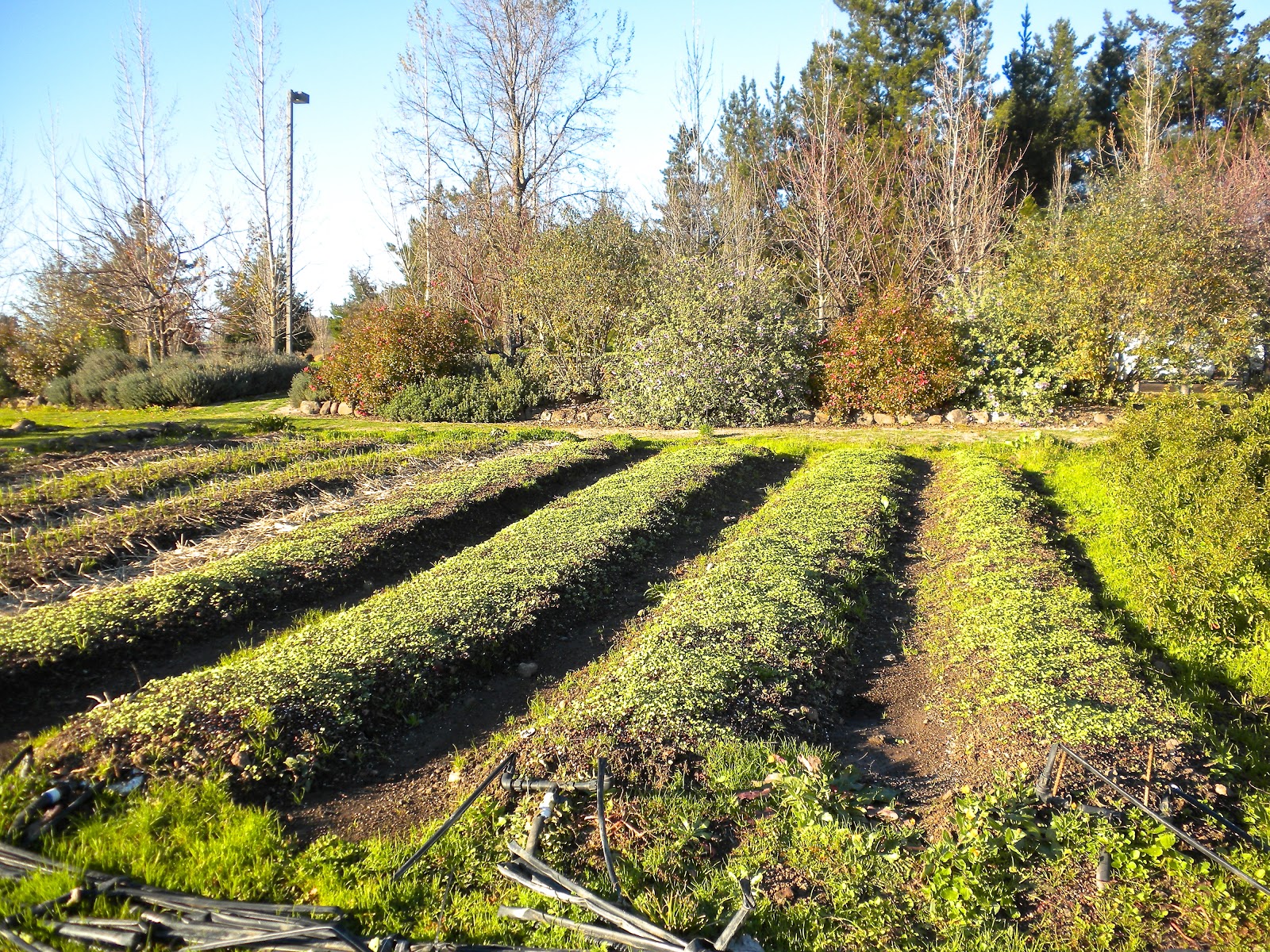
Bok choy, broccoli and collards are holding their own. 
"The hardiness of plants describes their ability 
to survive adverse growing conditions. 
A plant's ability to tolerate cold, heat, drought, flooding or wind 
are typically considered measurements of hardiness.
Winter-hardy plants grow during the winter, or at least remain healthy and dormant. 
Apart from the obvious evergreens, these include many cultivated plants, 
including some cabbage and broccoli, and all kinds of carrot."
bok choy
calabresse broccoli is the most common variety
tips on how to grow it
collards
carrot photo by Jerry James Stone
All of the plants require careful attention,
so we are out at the farm often and
much of the tending needs to be done by hand.


keeps them from freezing and these plants have a lower hardiness rating 
(meaning they can survive colder weather) 
than plants who produce less of this hormone." 
One plant hormone in particular that helps 
keep them from freezing is "Abscistic Acid."

garlic must have the abscistic acid hormone
Wondering about your plants' "hardiness?" 
Here's the Hardiness Rating from USDA planting zone map.  
including building a greenhouse and the importance of mulch.
greenhouse and mulched beds
behind  "the fig"

 The cold weather does not deter us from doing our work. 
Encouraging our labors are other natural harbingers of spring at the farm
 closer to us than the 2608 miles that separate us from groundhog Phil.
we think a first year American Robin
still no sightings of our resident Owl
but it's too early in the day!
While the Insectary may not now be as lush as it soon will be, 
the hardier plants that contribute to a healthy farm 
still surround and assist us.
Insectary in the summer
Insectary in December
bit of color at Insectary in January
What's hardy in your garden these days?
How do you protect your plants during the winter?
And do you have any signs of spring yet to cheer you on as you work?

The Garden's Plan


definition of "grow" (from the dictionary)

[groh]  verb, grew, grown, grow·ing.
verb (used without object)
1. to increase by natural development, as any living organism or part by assimilation of nutriment; increase in size or substance.
2. to form and increase in size by a process of inorganic accretion, as by crystallization.
3. to arise or issue as a natural development from an original happening, circumstance, or source: Our friendship grew from common interests.
4.to increase gradually in size, amount, etc.; become greater or larger; expand: His influence has grown.
5.to become gradually attached or united by or as if by growth: The branches of the trees grew together, forming a natural arch.

The farm is all about growing—obviously the vegetables we plant, 
but also about our own growth. Others have written about how
 "gardening can be considered a metaphor for life." 
And the more time and effort we spend farming, the more we understand this. 
Executive Chef John Toulze has talked before about how "farming teaches us how to cook," as we pay attention to the seasons of the farm which may or may not 
fit the season as we expect. The ongoing work at the farm teaches us patience in broader ways as well—applied as we work the land, plant the seeds 
and tend our plants as they grow according to their own plan. 

John planting seeds for cover crops
some growing better than others
Then like most important lessons in life, the patience we bring 
to this project somehow becomes a greater part of our lives. 
"The thing about gardening is that you realize you can’t rush things. 
A seed takes a certain amount of time to sprout, no matter what you do."
the collard plants seem to be thriving

broccoli starting to grow

"A plant or tree takes a certain amount of time to grow, flower, 
or bear fruit, no matter what you do—some things grow as we intend, others do not." 
This may seem like a simple concept, but it is often challenging 
to apply to other areas of our lives. 
Which is why gardening is a good reminder to us in how to live. 
Because the garden has its own plan—and the plants, with perhaps 
a bit of help from us, and a lot of nurturing from nature will grow as they will.
Some plants are flourishing at the farm and some are not doing as well.
the lower beds when they were just planted
most of the plants are beginning thriving
but we are not sure about the beets yet
This is especially true at this time of year. 
We worked hard to get the winter crops planted before the rains 
especially the cover crops necessary to nourish the soil 
throughout the winter in preparation for spring planting. 
the clover beds will do well this winter
and most of the vegetables in the lower beds
should soon be on the menu at the girl & the fig
radishes are always growing at the farm
photo by Steven Krause
 
to keep up with demand for our heirloom radish starter,
perennial favorite on the menu at "the fig."
Chinese snow peas 
and our lush kale always thrives at the farm

on the menu now at the girl & the fig:
braised short rib, yukon gold potato croquettes, braised kale, natural jus

Do you find gardening meditative? 
Does your time in the garden help you clear your head or find creative solutions? 
Or, does it just help you relax as you muse on what to cook with what you grow?


"Cold proofing your salad"


Knowing that the rains were coming, we doubled down 
on what needed to be done at the farm. There was emphasis on 
completing the work on the beds so the soil would be nourished 
and well treated prior to the soaking that is sure to come. 
And on this day of toil, as the days were getting shorter, 
heralding winter, we did our first round of planting 
the vegetables that will be our winter garden.

As we labored, we noticed the last hurrah from summer, 
red peppers still ready for picking, reminded us of summer 
while they resemble Christmas ornaments on a tree. 
By the time you are reading this, the peppers have been picked 
and have lent their tangy spice to one last dish this season. 
But this winter, we will still be able to enjoy our peppers 
from the farm–there are no doubt chili flakes in the pantry 
from peppers John dried on the roof at ESTATE this summer!

The other trophy from this summer's garden are the 
last tomatoes that didn't ripen in time for chef magic, but will 
become part of the rich compost we create as the farm 
changes from one season to the next. All part of the ongoing cycle 
of our biodynamic farm, ensuring the most sustainable use of everything at the farm. 


And, so we are now truly in winter garden mode. 
The sunchokes that rose up taller than most of us, are all gone, 
with only a few stubborn tubers still clinging to the ground. 

We've dug those up and cleared away the plants. 
Sunchokes can be obstinate insisting on staying or recurring, 
which is why we planted them at the end of the rows near a path. 
can you believe these "homely" looking tubers would adorn
a dish served at the James Beard house?

But those same deep roots that may be willful about recurring 
bring nutrients far down into the soil benefiting other plants.  
John is still deciding what to plant here. 
While he ponders what to do here in the upper beds,
the plan for the lower beds has been set. We will have 
radishes, chioggia beets, collards, bok choy, Chinese snow peas and broccoli. 
A hearty and diverse winter garden sure to inspire the chefs 
lower beds planted with vegetables

all those veggies as starts in the greenhouse prior to planting
Spicing up the vegetables in our winter garden, 
as well as for the chefs in the kitchens, 
we are growing walla walla and Italian torpedo onions, 
which also were nurtured as starts in the greenhouse 
at "the fig" before planting in the ground. 


row of Italian torpedo onions just getting started
You can be inspired by these reliable vegetables 
whether you are growing them in your winter garden or finding them at a farmer's market. Always good to steam or roast, some of these vegetables can become a winter salad, 
so creative and tasty, it just might rival what you do in the lush days of summer. 
Popular food writer, Mark Bittman recently wrote about "cold proofing your salad:" 
"With all due respect to tomatoes, potatoes, eggplants and all the other vegetables 
we’ve enjoyed for the last few months, the champions of the moment 
are beets, turnips and radishes. Incredibly — though not surprisingly, 
since there are no surprises here — the beets, turnips and radishes 
give you greens to use in salads or for cooking,
 as well as roots you can eat raw or cooked."  
Mark also has some interesting tidbits to share—did you know that 
"beets are chard grown primarily for their roots; 
chard is beets grown for its greens"—and some great recipes. 
the beet salad at the girl & the fig
will be the product of these beets just beginning at the farm

we are always growing chard and radishes at the farm
It's important to us to keep our farm growing even in the winter.

What are you planting for this season? 
Any recipes to share for winter vegetables?